Does creating your own Azure OpenAI solutions still make sense in the era of Copilots?
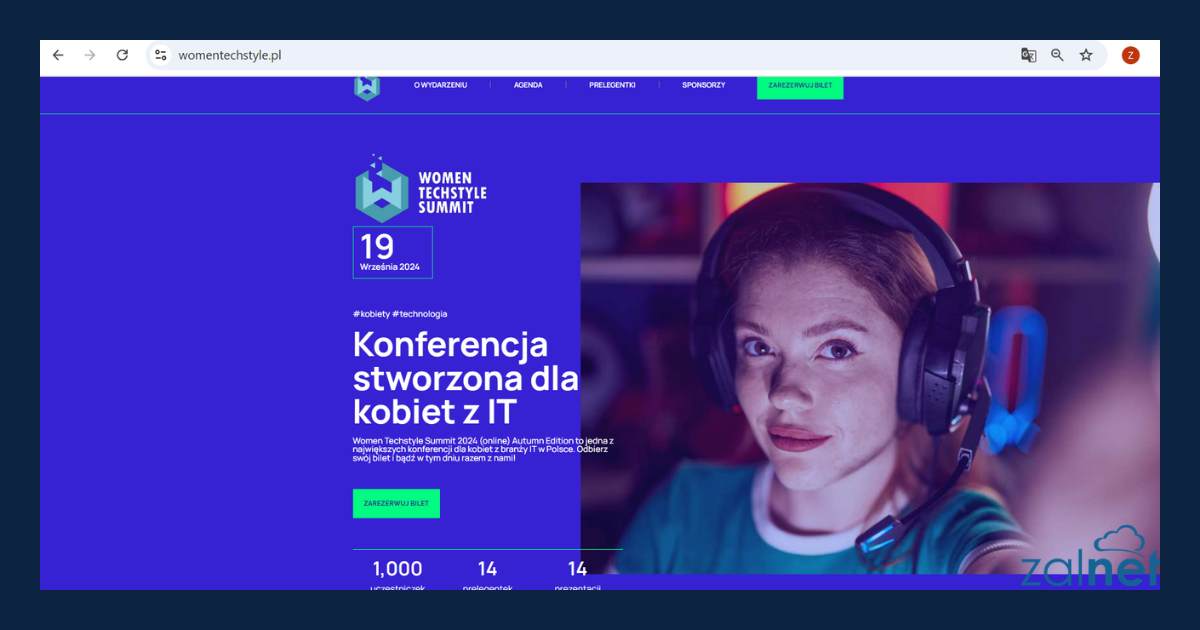
On September 19, 2024, I had the pleasure of being a speaker at the Women Techstyle Summit 2024 (online) Autumn Edition. This is one of the largest conferences for women in the IT industry in Poland. During my presentation, I had the opportunity to share my perspective on the topic: “Does Creating Your Own Azure OpenAI Solutions Still Make Sense in the Era of Copilots?”
Presentation can be downloaded from here.

Currently, the artificial intelligence (AI) landscape is evolving rapidly. Consequently, businesses constantly seek innovative solutions. They aim to enhance productivity, streamline processes, and improve customer experiences.
Recently, tools like Microsoft Copilot have emerged. They seamlessly integrate AI capabilities into popular applications. Therefore, many organisations wonder if developing custom Azure OpenAI solutions remains a viable strategy. Ultimately, this post explores the advantages of creating custom solutions in an era dominated by AI copilots.
Understanding Azure OpenAI and Microsoft Copilot
Fundamentally, Azure OpenAI is a platform providing access to powerful AI models. Notably, this includes the renowned GPT-3 and GPT-4. It allows developers to build and deploy tailored AI applications. For instance, these range from natural language processing to image recognition. Furthermore, the platform is designed for flexibility and scalability. Thus, it is highly suitable for businesses integrating AI into their workflows.
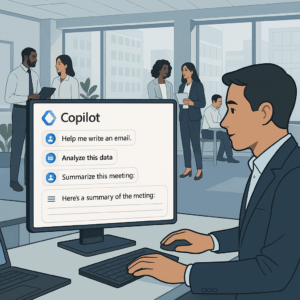
Conversely, Microsoft Copilot is an AI assistant embedded within Microsoft 365 applications. Specifically, it operates seamlessly within Word, Excel, and Teams. It leverages the capabilities of Azure OpenAI to provide context-aware suggestions. Additionally, it automates repetitive tasks effectively. However, while Copilot enhances productivity within specific applications, it operates within a strictly defined scope. Consequently, it may not address all organisational needs.
The Value of Custom Solutions
- Tailored Functionality:
- One of the primary advantages of creating your own Azure OpenAI solution is the ability to customize functionalities according to specific business requirements. Unlike Microsoft Copilot, which is designed for general use within Microsoft 365 applications, custom solutions can be built to address unique challenges or workflows specific to an organization.
- Integration with Existing Systems:
- Organizations often rely on a variety of software systems that may not be fully compatible with Microsoft Copilot. By developing custom Azure OpenAI solutions, businesses can ensure seamless integration with existing databases, CRM systems, and other tools they already use. This integration can lead to more efficient data flows and improved operational efficiency.
- Scalability:
- Custom solutions built on Azure OpenAI can be designed to scale according to business growth. As organizations expand their operations or user base, they can adjust their AI capabilities without being constrained by the limitations of third-party tools like Copilot.
- Enhanced Security and Compliance:
- Developing in-house solutions allows organizations to maintain greater control over data security and compliance with industry regulations. Custom solutions can be designed with specific security protocols that align with organizational policies, ensuring sensitive data remains protected.
- Innovative Use Cases:
- While Microsoft Copilot excels at enhancing productivity within Microsoft 365 applications, custom Azure OpenAI solutions can be applied to a broader range of use cases. For instance, organizations can develop AI-driven chatbots for customer service, automated content generation tools for marketing campaigns, or advanced analytics platforms for data insights.
The Role of Microsoft Copilot
While there are compelling reasons to develop custom Azure OpenAI solutions, it’s essential to recognize the value that Microsoft Copilot brings:
- Ease of Use:
- Microsoft Copilot is designed for users without extensive technical expertise. Its integration into familiar applications means that employees can quickly adopt AI capabilities without undergoing significant training or development efforts.
- Rapid Deployment:
- Organizations can start leveraging AI functionalities almost immediately with Copilot since it is embedded within existing Microsoft 365 applications. This rapid deployment can be advantageous for businesses looking to enhance productivity quickly.
- Cost-Effectiveness:
- For some organizations, especially smaller ones or those with limited budgets for development resources, using Copilot may be more cost-effective than investing in custom solutions. The subscription model allows businesses to access powerful AI tools without large upfront investments.
Balancing Both Approaches
In many cases, organizations may find that a hybrid approach works best:
- Complementary Use:
- Businesses can utilize Microsoft Copilot for day-to-day tasks while simultaneously developing custom Azure OpenAI solutions for more complex or specialized needs. This combination allows organizations to maximize productivity while addressing unique challenges.
- Iterative Development:
- Organizations can start by implementing Microsoft Copilot and gradually transition towards developing custom solutions as they identify specific needs or gaps in functionality that require tailored approaches.
- Feedback Loop:
- Using both tools enables organizations to gather feedback from employees about their experiences with Copilot and identify areas where custom solutions could enhance their workflows further.
Conclusion
Creating your own Azure OpenAI solutions remains a relevant and strategic option in the era of AI copilots like Microsoft Copilot.
While Copilot offers significant advantages in terms of ease of use and rapid deployment within familiar applications, custom solutions provide tailored functionalities, enhanced security, and innovative use cases that can drive organizational success.
In navigating this landscape, businesses should assess their unique needs, existing infrastructure, and long-term goals when deciding whether to invest in custom Azure OpenAI development or leverage existing tools like Microsoft Copilot.
Ultimately, the best approach may involve a combination of both strategies—harnessing the strengths of each to create a robust AI ecosystem that empowers employees and enhances productivity across the organization.